
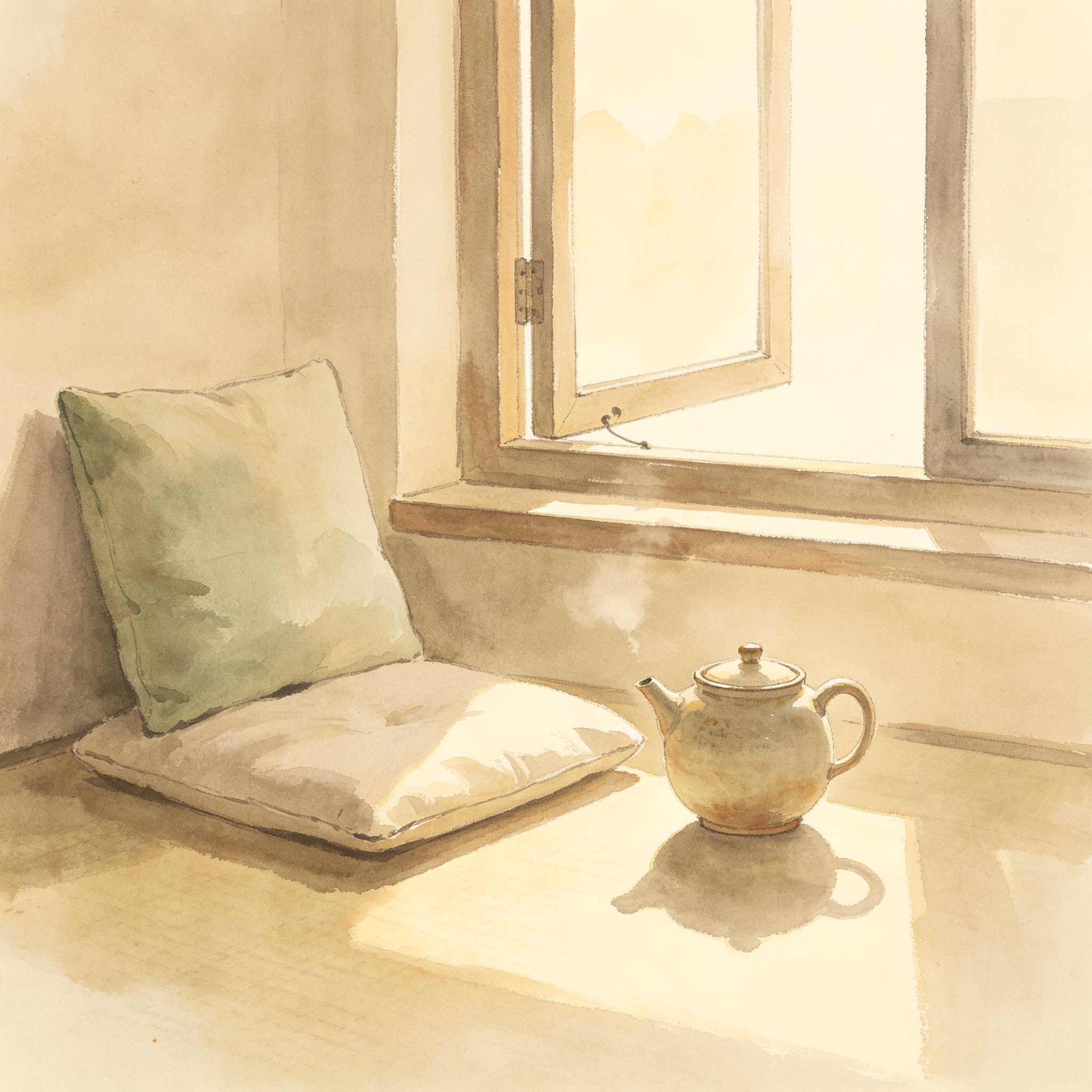
Longevity, the Eastern Way — Getting Older Without Slowing Down
There’s a saying in Eastern medicine that goes something like this: aging is natural; declining is optional.
It’s not a promise. It’s not a denial of the very real changes that come with time. It’s simply a different framing — one that sees getting older not as a slow loss of capacity, but as a gradual shift in how you tend to yourself.
The Eastern lens: conservation, not consumption
In the West, vitality is often sold as something you buy — supplements, treatments, routines that promise to “boost” or “reverse.” The Eastern view is quieter. It sees vitality as something to be conserved and cultivated, like a fire you tend rather than a battery you recharge.
A small, steady flame can outlast a roaring one. The aim isn’t to feel twenty again. It’s to feel like yourself — at this age, in this season.
Three patterns worth noticing
These are observations, not diagnoses.
1. You have less “drive,” but more “wisdom” — and you wonder if you’re fading
Many people notice, with age, that the raw energy of youth softens into something steadier. The Eastern view doesn’t see this as decline — it sees it as a natural redistribution.
Worth noticing: are you measuring yourself against a younger version, instead of this current one?
2. You feel the cold more, or recover more slowly
A very common experience with age. From the Eastern lens, this relates to how the body’s warmth and resilience shift over time — and how small daily habits can either support or drain it.
Worth noticing: do you feel different in different seasons? Do you recover slower than you used to?
3. You want to “age well” but feel overwhelmed by all the advice
The longevity industry is loud. The Eastern approach is deliberately quiet — small, repeatable rituals over grand, expensive programs.
Worth noticing: which of your current habits actually make you feel better — and which ones are you doing just because you “should”?
Small shifts for the long game
The Eastern approach to aging is built on consistency, not intensity.
- Routine is medicine. Regular sleep, regular meals, regular movement — predictable rhythms matter more as you age.
- Warmth and ease. Protecting your body from extremes (cold, overexertion, crash diets) becomes more important over time.
- Do less, but do it often. A twenty-minute daily walk beats a punishing weekly workout.
- Stay curious. A mind that’s still learning, still noticing, is — by every traditional account — a vital one.
A different definition of vitality
Vitality isn’t about bouncing out of bed at six a.m. or running marathons. It’s about moving through your days with a sense of steadiness, warmth, and connection to your own rhythm.
If you’ve been measuring your worth by how much you can still “keep up” — maybe the gentler question is: how can I meet this season of life with more ease, and less force?
This article is for general informational purposes only and does not constitute medical advice. Please consult a qualified healthcare provider for age-related health concerns. TCMask is not a substitute for professional medical care.
Comments are closed